




How High-Performance Websites Are Built (And Why Speed Matters More Than Ever)
For Singapore SMEs planning to grow online, choosing the right government grant can significantly reduce costs and accelerate digital adoption. Two of the most popular options are the Productivity Solutions Grant (PSG) and other support schemes such as the Enterprise Development Grant (EDG) and the SMEs Go Digital programme.
But which grant is best for building or upgrading your e-commerce store? Here’s a clear breakdown to help you make the right decision.
The Problem Most Websites Ignore
Many websites are slow due to issues that seem small but add up quickly:
Why SMEs Choose PSG for E-Commerce
- Bloated themes and page builders fancy features that nobody uses but slow the site down
- Large, unoptimized images massive files that kill load speed
- Excessive plugins and scripts each adds weight and delay
- Subpar hosting or server configuration even well coded sites can lag on a slow server
On their own, they don’t look like much, but trust me, they pile up fast and turn your site into a
nightmare.
Example: In a recent e-commerce project, reducing homepage load time from 10
seconds to 2.5 seconds led to a 40% drop in bounce rate and a 35% increase in
conversions within a month.
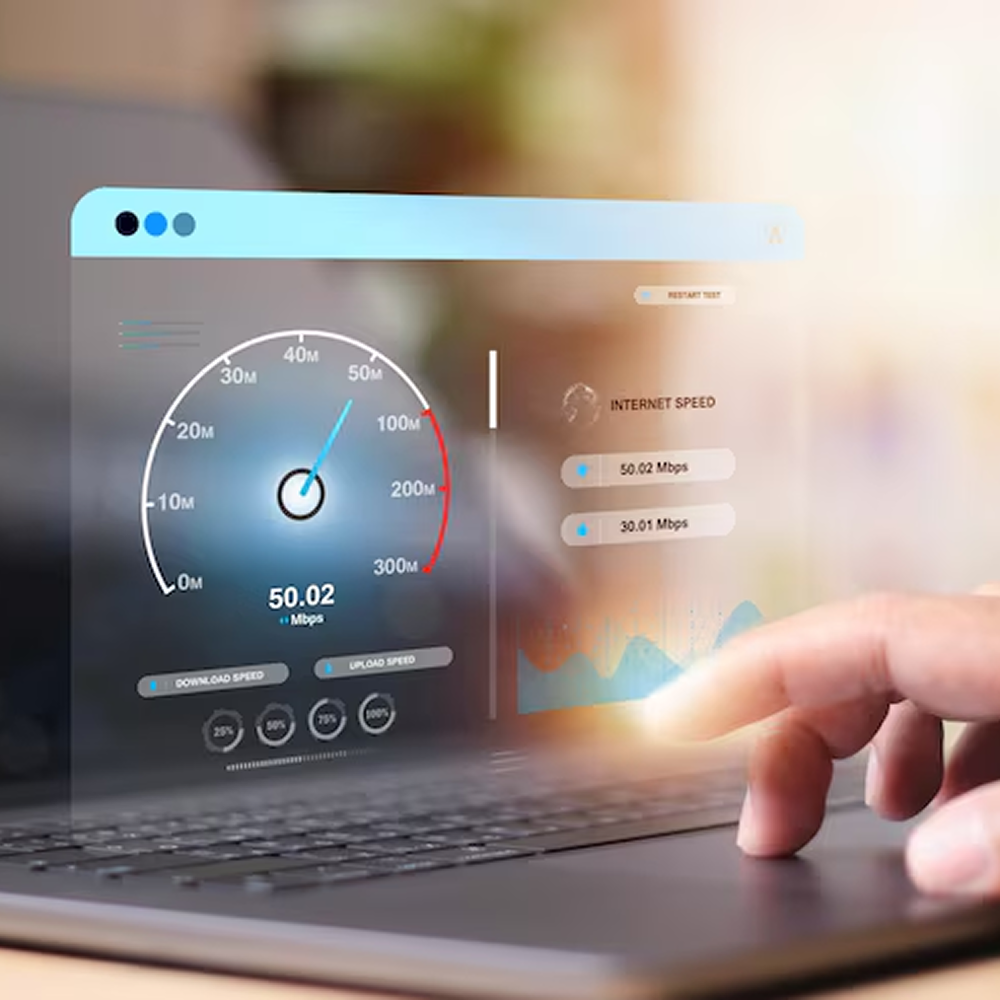
Why Speed Matters More Than Ever
Website speed is no longer just a technical metric it’s a business metric.
Here’s why it matters today:
- Mobile first browsing Most users are on mobile devices with limited connection speeds. Slow websites push them away immediately.
- Search engine rankings Google’s Core Web Vitals prioritize fast, responsive, and stable pages. A slow site impacts SEO.
- Ad performance Even perfectly targeted campaigns fail if landing pages take too long to load.
In Singapore’s competitive digital market, a high performance website can be the difference
between capturing leads and losing them to competitors.
This gives you a real edge over competitors who are still struggling with slow sites.
Build Speed Into the Process, Not After the Fact
Most businesses think:
“We’ll fix speed later.”
High performance teams think differently:
“How do we avoid slowing down in the first place?”
This mindset ensures:
- Faster load times
- Better SEO
- Online customer engagement systems
Performance isn’t a tech afterthought it’s a core part of your website strategy.
Having this mindset helps you stay ahead in a highly competitive digital market.

How High-Performance Websites Are Built
Here’s a practical, actionable approach:
1. Lean Structure & Navigation
- Include only pages and sections that provide real value.
- Simplified navigation improves load times and user experience.
2. Lightweight Design & Minimal Scripts
- Avoid heavy themes and unnecessary plugins.
- Reduce CSS and JavaScript to only what’s essential.
3. Optimize Images & Media
- Resize and compress images before uploading.
- Use lazy loading so non essential images appear after the main content.
4. Smart Loading of Content
- Load critical content first.
- Non essential scripts and elements should load asynchronously.
- Users feel the site is fast, even if some content is still loading.
5. Continuous Monitoring & Updates
- Websites evolve, and so do performance challenges.
- Regularly check page speed, remove unused elements, and optimize scripts to maintain speed.
A Simple, Practical Solution
Look, speed isn’t some magic trick it’s about asking the right questions.
Speed is not just a plugin—it’s a mindset.
Start by auditing your website:
- Does every section serve a user purpose?
- Are there elements slowing down load time?
- Could the page function with some sections removed?
Even small adjustments can dramatically improve speed, user experience, and SEO
performance.
One Clear Next Step
Before redesigning, rewriting, or spending more on ads:
Check your website speed from a real user perspective.
Use tools like:
- Google PageSpeed Insights
- GTmetrix
- Lighthouse
Identify bottlenecks, fix them, and watch your website perform better in SEO, conversions, and
user satisfaction.
Ready to see the difference? Let’s chat about your site.
Every extra second your website takes to load is a potential customer walking away.
High performance websites don’t just look good they work harder for your business.
 Schedule a Call Today