




Common AI Marketing Mistakes Small Businesses Make
Introduction
Artificial Intelligence (AI) has rapidly become a game-changing tool for businesses of all sizes. From content creation and customer service automation to lead generation and personalized marketing, AI offers countless opportunities to improve efficiency and drive growth.
However, many small businesses are eager to adopt AI without fully understanding how to use it effectively. As a result, they often make costly mistakes that limit the technology’s potential and can even harm their marketing efforts.
The good news is that these mistakes are avoidable. By understanding the common pitfalls and implementing AI strategically, small businesses can maximize results while maintaining strong customer relationships and brand credibility.
In this article, we’ll explore the most common AI marketing mistakes small businesses make and how to avoid them.
Why Small Businesses Are Turning to AI
AI marketing tools have become more accessible and affordable than ever before. Small businesses use AI to:
- Create content faster
- Automate repetitive tasks
- Improve customer support
- Analyze marketing data
- Generate qualified leads
- Personalize customer experiences
While these benefits are significant, successful implementation requires more than simply adopting the latest technology.
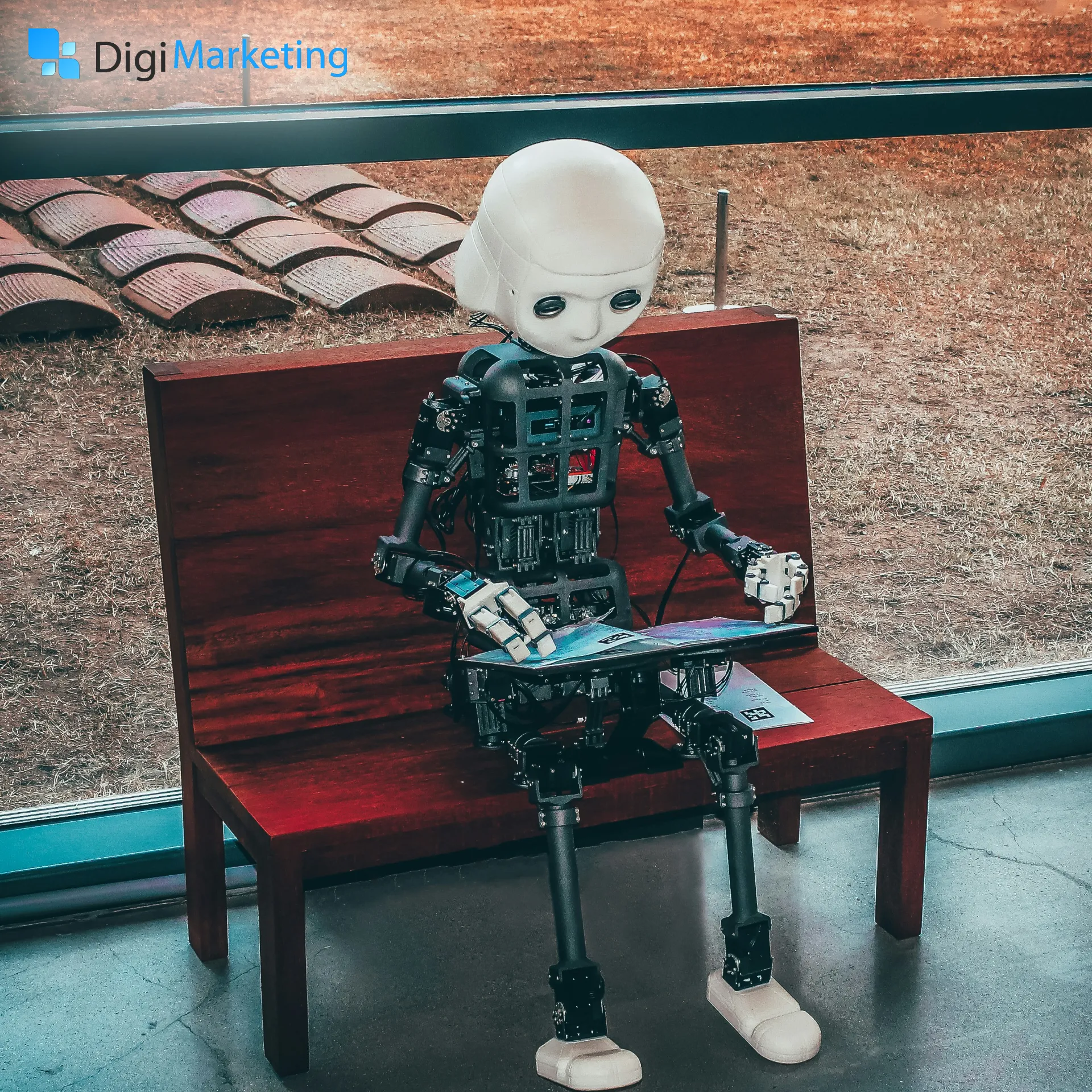
Mistake #1: Relying Too Heavily on AI-Generated Content
One of the most common mistakes is publishing AI-generated content without human review.
The Problem
AI can quickly create blog posts, emails, social media captions, and product descriptions. However, AI-generated content may:
- Lack originality
- Contain factual errors
- Sound generic
- Miss important context
- Fail to reflect your brand voice
Publishing unedited AI content can reduce credibility and weaken audience trust.
The Solution
Use AI as a content assistant rather than a replacement for human writers. Always:
- Review and edit content
- Verify facts and statistics
- Add unique insights
- Align messaging with your brand voice
- Optimize for user experience
The best content combines AI efficiency with human expertise.
Mistake #2: Ignoring the Importance of Data Quality
AI systems depend on data to make decisions and recommendations.
The Problem
If your customer data is inaccurate, incomplete, or outdated, AI tools may produce poor results.
Examples include:
- Incorrect customer profiles
- Weak audience targeting
- Inaccurate lead scoring
- Poor campaign recommendations
Simply put, bad data leads to bad marketing decisions.
The Solution
Regularly audit and clean your database by:
- Removing duplicate contacts
- Updating customer information
- Verifying data accuracy
- Improving data collection processes
High-quality data helps AI deliver more reliable insights and recommendations.
Mistake #3: Over-Automating Customer Interactions
Automation can save time, but excessive automation can make your business appear impersonal.
The Solution
Customers often prefer human interaction for:
- Complex inquiries
- Customer complaints
- Product consultations
- Sensitive issues
Over-reliance on chatbots and automated responses can create frustration and damage customer relationships.
The Solution
Create a balanced customer support strategy.
Use AI to:
- Answer common questions
- Collect lead information
- Provide basic support
Allow human representatives to handle situations requiring empathy, expertise, or personalized attention.
Mistake #4: Implementing AI Without Clear Goals
Many businesses adopt AI simply because it’s a popular trend.
The Problem
Define clear goals before implementing AI.
Examples include:
- Increasing website conversions
- Improving email open rates
- Generating more qualified leads
- Reducing customer service response times
- Enhancing social media engagement
Clear goals help guide tool selection and performance measurement.
Mistake #5: Failing to Personalize Marketing Efforts
AI provides powerful personalization capabilities, yet many businesses continue using generic marketing messages.
The Problem
Today’s consumers expect personalized experiences. Generic campaigns often lead to:
- Lower engagement
- Reduced conversion rates
- Poor customer retention
The Problem
Leverage AI to personalize:
- Email campaigns
- Product recommendations
- Website experiences
- Advertising messages
- Customer journeys
Personalized marketing creates more meaningful connections and improves overall performance.
Mistake #6: Choosing the Wrong AI Tools
Not every AI platform is suitable for every business.
The Problem
Businesses sometimes purchase tools with features they don’t need or select platforms that don’t integrate with existing systems.
This can result in:
- Low adoption rates
- Workflow disruptions
- Increased costs
- Poor ROI
The Solution
Evaluate AI tools based on:
- Business objectives
- Ease of use
- Scalability
- Integration capabilities
- Customer support
- Overall value
Choose solutions that align with your current needs and future growth plans.
Mistake #7: Neglecting SEO When Using AI
Some businesses assume AI-generated content automatically ranks well in search engines.
The Problem
Search engines prioritize valuable, relevant, and user-focused content. AI-generated content that lacks SEO optimization may struggle to rank.
Healthcare
Combine AI content creation with proven SEO practices:
- Conduct keyword research
- Optimize headings and metadata
- Include internal links
- Improve readability
- Focus on user intent
AI should support your SEO strategy, not replace it.
Mistake #8: Not Monitoring AI Performance
AI systems require ongoing evaluation and optimization.
The Problem
Some businesses implement AI tools and assume they’ll continue producing strong results without oversight.
However, customer behavior, market conditions, and business goals change over time.
The Solution
Track key performance metrics such as:
- Conversion rates
- Lead quality
- Website traffic
- Customer engagement
- Advertising ROI
Regular monitoring helps identify opportunities for improvement and ensures AI remains aligned with business objectives.
Mistake #9: Underestimating Human Creativity
While AI chatbots offer significant bAI excels at processing data and automating tasks, but creativity remains a uniquely human strength.enefits, businesses should consider:
The Problem
Businesses that rely entirely on AI often produce content and campaigns that lack emotional appeal and originality.
The Solution
Use AI to handle repetitive work while allowing your team to focus on:
- Brand storytelling
- Strategic planning
- Creative campaigns
- Customer relationships
The most successful marketing strategies combine AI efficiency with human creativity.
Mistake #10: Overlooking Privacy and Ethical Concerns
AI often relies on customer data to deliver personalized experiences.
The Problem
Improper data handling can lead to privacy concerns and loss of customer trust.
The Solution
Prioritize transparency by:
- Clearly explaining data collection practices
- Obtaining necessary consent
- Protecting customer information
- Following applicable privacy regulations
Trust is essential for long-term business success.
How to Successfully Use AI in Marketing
To get the most value from AI, small businesses should:
Start with a Specific Use Case
Focus on solving one challenge at a time, such as email marketing, content creation, or customer support.
Train Your Team
Ensure employees understand how AI tools work and how to use them effectively.
Combine Automation with Human Oversight
Maintain quality, consistency, and authenticity by reviewing AI-generated outputs.
Continuously Optimize
Use performance data to refine campaigns and improve results over time.
Keep Customer Experience at the Center
Every AI initiative should ultimately improve the customer experience.
Conclusion
AI offers tremendous opportunities for small businesses to improve marketing performance, save time, and increase efficiency. However, success requires more than simply adopting new technology.
By avoiding common mistakes such as over-automation, poor data management, lack of personalization, and excessive reliance on AI-generated content, businesses can maximize the value of their AI investments.
The future of marketing belongs to businesses that combine the speed and efficiency of AI with the creativity, empathy, and strategic thinking that only humans can provide. When used thoughtfully, AI can become one of the most powerful tools in your marketing toolkit.
 Schedule a Call Today