




5 Marketing Tasks You Should Automate with AI Today
Introduction
Artificial Intelligence (AI) is transforming the way businesses approach marketing. What once required hours of manual work can now be completed in minutes with the help of AI-powered tools. For small businesses and growing brands, automation is no longer a luxury it’s a necessity for staying competitive in today’s fast-paced digital landscape.
By automating repetitive marketing tasks, businesses can save time, reduce costs, improve efficiency, and focus on strategic growth initiatives. Whether you’re managing social media, email campaigns, or customer interactions, AI can help streamline your workflow and deliver better results.
In this article, we’ll explore five marketing tasks you should automate with AI today and how they can help your business grow.
Why AI Automation Matters in Marketing
Marketing teams often spend significant amounts of time on routine activities that don’t require constant human intervention. AI can handle these repetitive tasks quickly and accurately, allowing marketers to focus on creativity, strategy, and customer relationships.
Benefits of AI marketing automation include:
- Increased productivity
- Faster campaign execution
- Improved customer experiences
- Better data-driven decisions
- Higher return on investment (ROI)
- Reduced operational costs
Let’s look at the marketing tasks that can benefit most from AI automation.

1. Social Media Content Scheduling and Management
Managing multiple social media platforms can be time-consuming. Creating posts, publishing content, monitoring engagement, and responding to comments often requires daily attention.
How AI Helps
AI-powered social media tools can:
- Schedule posts automatically
- Recommend optimal posting times
- Generate post captions
- Analyze audience engagement
- Suggest trending topics
- Monitor brand mentions
These tools use historical performance data to determine when your audience is most active, helping increase engagement and reach.
Benefits
- Consistent posting schedule
- Increased audience engagement
- Time savings for marketing teams
- Improved content performance
2. Email Marketing Campaigns
Email remains one of the most effective digital marketing channels, but creating and managing campaigns manually can be labor-intensive.
How AI Helps
AI-powered email marketing platforms can:
- Segment subscribers automatically
- Personalize email content
- Optimize subject lines
- Predict customer behavior
- Send emails at the best times
- Automate follow-up sequences
AI analyzes customer interactions and tailors messages based on user preferences, making campaigns more relevant and effective.
Benefits
- Higher open rates
- Better click-through rates
- Improved customer engagement
- Increased conversions
3. Customer Support and Lead Qualification
Responding to customer inquiries and qualifying leads can consume valuable business resources, especially for small teams.
How AI Helps
AI chatbots and virtual assistants can:
- Answer frequently asked questions
- Provide instant customer support
- Collect customer information
- Qualify leads automatically
- Schedule appointments
- Route inquiries to the appropriate team
Modern AI chatbots are available 24/7, ensuring customers receive immediate assistance even outside business hours.
Benefits
- Faster response times
- Improved customer satisfaction
- Reduced support workload
- More qualified sales leads
4. Content Creation and Optimization
Creating fresh content consistently is one of the biggest challenges businesses face. Blog posts, social media updates, product descriptions, and ad copy all require time and effort.
How AI Helps
AI content tools can assist with:
- Blog topic generationBlog topic generation
- Article outlines
- Social media captions
- Product descriptions
- Email copy
- Ad creatives
- SEO recommendations
While human oversight remains important, AI significantly speeds up the content creation process and helps maintain consistency across marketing channels.
Benefits
- Faster content production
- Improved content consistency
- Enhanced SEO performance
- Reduced content creation costs
5. Marketing Analytics and Reporting
Collecting and analyzing marketing data manually can be overwhelming, especially when information comes from multiple platforms.
How AI Helps
AI analytics tools can:
- Track campaign performance
- Identify trends and patterns
- Generate automated reports
- Predict future outcomes
- Recommend optimization strategies
- Highlight key performance indicators (KPIs)
Instead of spending hours compiling reports, marketers receive actionable insights automatically.
Benefits
- Faster decision-making
- More accurate reporting
- Better campaign optimization
- Increased marketing ROI
Choosing the Right AI Tools
Not all AI tools are created equal. When selecting AI marketing solutions, consider:
Ease of Use
Choose platforms that integrate seamlessly with your existing workflow and require minimal technical expertise
Scalability
Select tools that can grow alongside your business and handle increased marketing demands.
Integration Capabilities
Look for software that connects with your CRM, email marketing platform, website, and other business systems.
Analytics Features
The best AI tools provide detailed insights and reporting to help you measure performance and improve results.
Customer Support
Reliable customer support ensures you can maximize the value of your AI investment.
Common Mistakes to Avoid
When implementing AI marketing automation, avoid these common pitfalls:
Over-Automation
Not every customer interaction should be automated. Maintain a balance between automation and human engagement.
Ignoring Data Quality
AI performs best when it has access to accurate and reliable data.
Lack of Monitoring
Automation doesn’t mean “set it and forget it.” Regularly review performance and adjust strategies as needed.
Neglecting Personalization
AI should enhance personalization, not make communications feel robotic or generic.
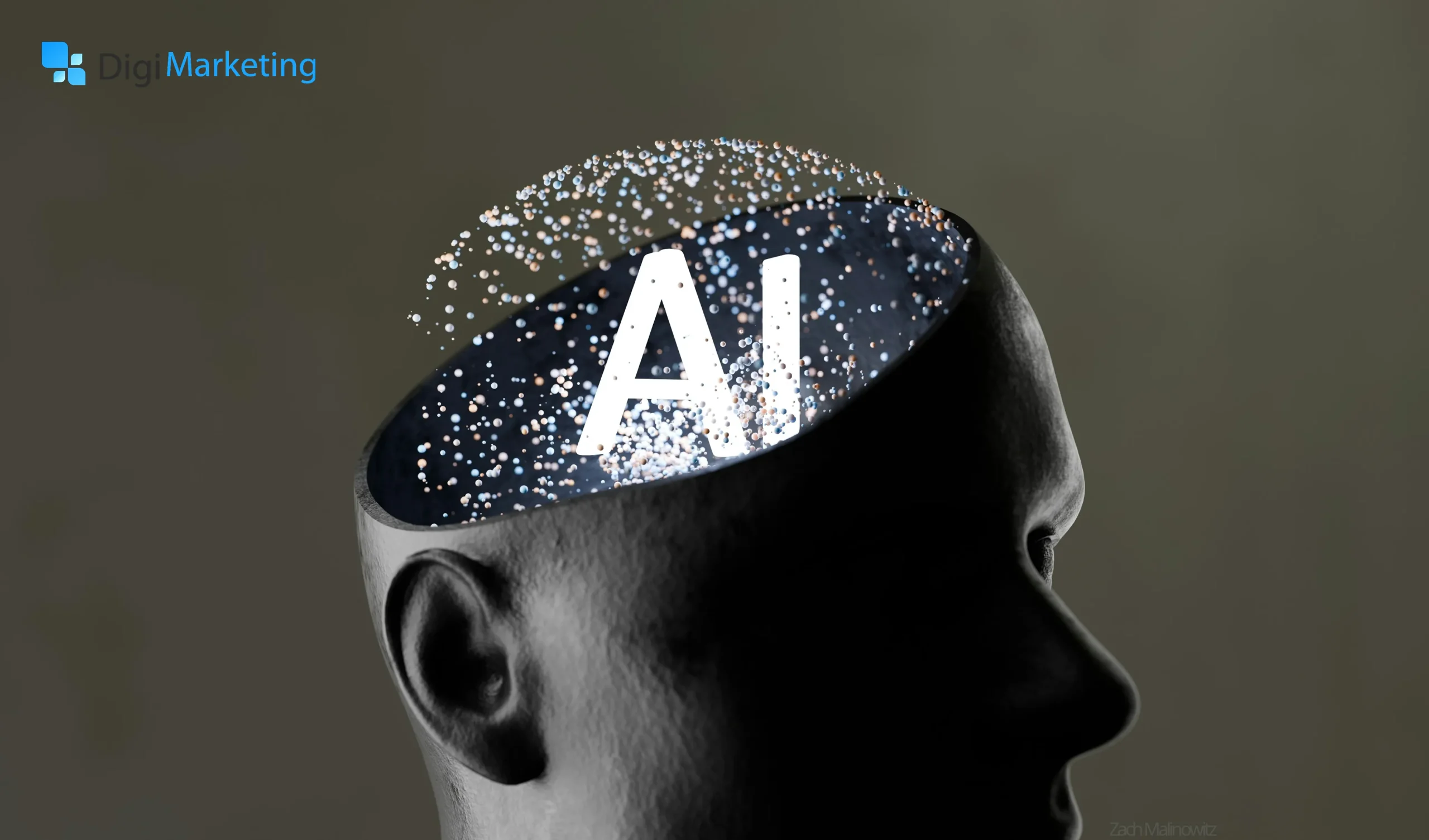
The Future of AI Marketing Automation
AI capabilities continue to evolve rapidly. Future marketing automation tools will become even more intelligent, offering:
- Advanced predictive analytics
- Hyper-personalized customer experiences
- Real-time campaign optimization
- Smarter conversational AI
- Enhanced customer journey mapping
Businesses that adopt AI automation today will be better prepared to capitalize on these advancements in the future.
Conclusion
AI is revolutionizing marketing by automating repetitive tasks and enabling businesses to work smarter, not harder. From social media management and email marketing to customer support, content creation, and analytics, AI can significantly improve efficiency and performance.
By automating these five essential marketing tasks, businesses can save valuable time, reduce costs, and focus on strategic initiatives that drive growth. The sooner you embrace AI-powered automation, the sooner you’ll gain a competitive advantage in an increasingly digital marketplace.
Start small, choose the right tools, and gradually expand your AI capabilities to build a more efficient and successful marketing operation.
 Schedule a Call Today