




Why Wireframing and Prototyping Are Crucial Before Website Development
Building a successful website requires more than just writing code and adding visual elements. Before development begins, designers and developers must clearly understand how the website will function and how users will interact with it. This is where wireframing and prototyping become essential steps in the web design process.
Wireframes and prototypes help businesses visualize the structure, layout, and user experience of a website before investing time and resources into full development. By planning the design early, companies can reduce errors, improve usability, and create a better overall digital product.
In this guide, we’ll explore why wireframing and prototyping are crucial before website development and how they contribute to building successful websites.
What Is Wireframing?
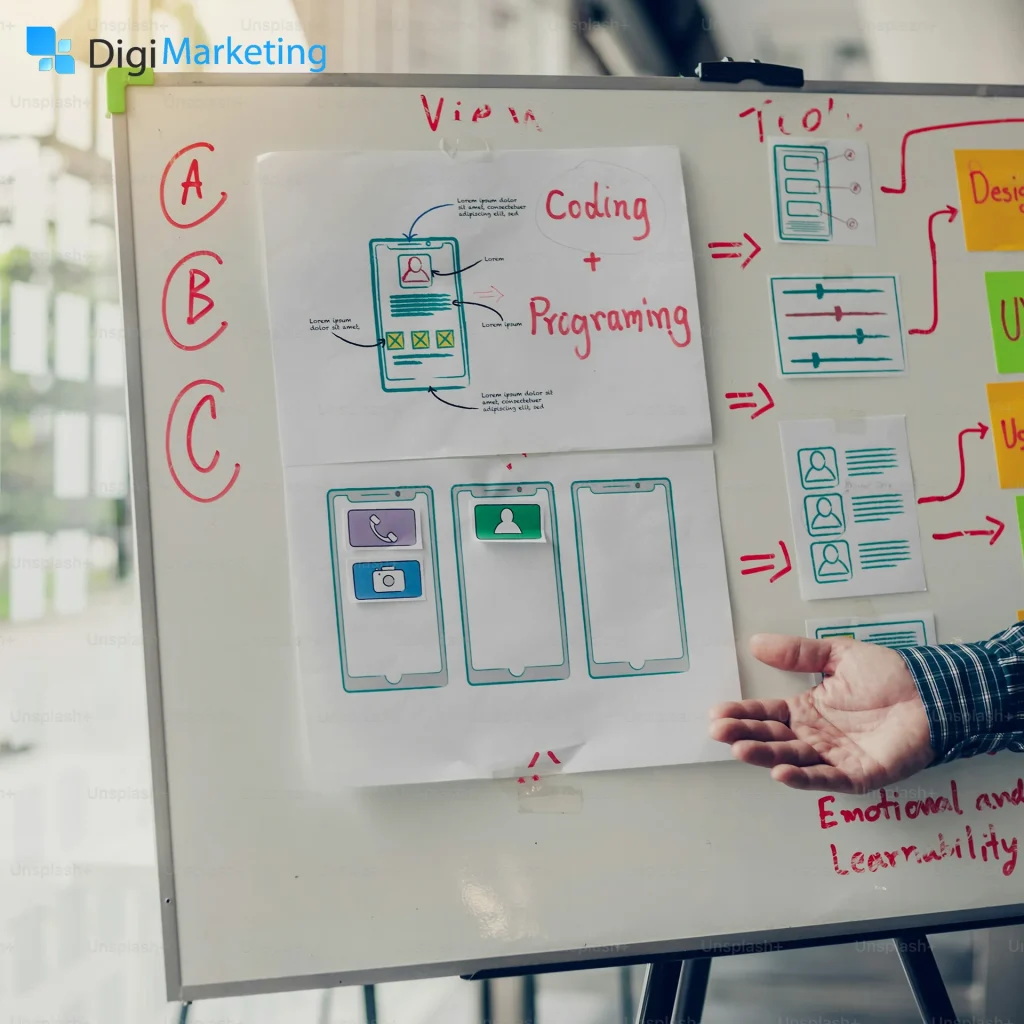
Wireframing is the process of creating a basic blueprint of a website layout. It focuses on the structure of the page rather than the visual design.
Wireframes typically show:
- Page layout and structure
- Navigation menus
- Content placement
- Buttons and call-to-action areas
- Key user interface elements
A wireframe acts like the architectural plan of a website, allowing teams to map out how different sections of a page will be organized.
What Is Prototyping?
Prototyping is the next step after wireframing. A prototype is a more interactive version of the website design that simulates how users will interact with the site.
Prototypes allow designers and stakeholders to:
Prototypes allow designers and stakeholders to:
- Test user flows
- Demonstrate navigation
- Evaluate usability
- Experience interactions before development
Unlike static wireframes, prototypes allow users to click, navigate, and interact with elements, making them closer to the final product.
Key Differences Between Wireframes and Prototypes
|
Feature |
Wireframes |
Prototypes |
|
Purpose |
Show layout structure |
Simulate user interaction |
|
Design level |
Basic and low-fidelity |
Detailed and interactive |
|
Focus |
Page structure and content placement |
User experience and usability |
|
Stage |
Early planning phase |
Pre-development testing phase |
Both steps play a critical role in ensuring the website is well planned before development begins.
Benefits of Wireframing Before Website Development
1. Clarifies Website Structure
Wireframes help teams visualize the website layout and understand how content will be organized.
This prevents confusion during development and ensures everyone involved shares the same vision for the project.
2. Improves User Experience Planning
Good UX starts with thoughtful planning. Wireframes allow designers to map out user journeys and ensure navigation flows logically from one page to another.
This makes it easier for visitors to find information and complete desired actions.
3. Saves Time and Development Costs
Fixing design issues during development can be expensive and time-consuming. Wireframing allows teams to identify potential problems early in the process.
By solving usability issues before coding begins, businesses can reduce costly redesigns later.
4. Enhances Team Collaboration
Wireframes serve as a visual reference that helps designers, developers, marketers, and stakeholders communicate effectively.
Instead of discussing abstract ideas, everyone can review the wireframe and provide clear feedback.

Benefits of Prototyping Before Development
1. Allows Real User Testing
Prototypes allow teams to test how real users interact with the design before development begins.
User testing helps identify:
- Confusing navigation
- Poor layout decisions
- Missing features
- Inefficient user flows
Early testing helps refine the design for a better user experience.
2. Improves Design Accuracy
Interactive prototypes give stakeholders a realistic preview of the final website.
This helps ensure the design meets business goals and user expectations before developers start coding.
3. Reduces Development Errors
When developers receive a detailed prototype, they have a clearer understanding of how the interface should function.
This reduces misunderstandings and prevents unnecessary revisions during development.
4. Speeds Up the Development Process
Prototypes provide developers with a clear roadmap of how each page and interaction should work.
As a result, development becomes faster and more efficient.
How Wireframing and Prototyping Improve Website Success
When combined, wireframing and prototyping create a structured design process that improves the overall quality of a website.
This approach helps businesses:
- Build user-friendly interfaces
- Reduce development risks
- Improve collaboration across teams
- Deliver better digital experiences
Companies that skip these steps often face usability issues, costly redesigns, and delayed project timelines.
Best Tools for Wireframing and Prototyping
Many modern design tools make it easy to create wireframes and prototypes.
Popular options include:
- Figma
- Adobe XD
- Sketch
- Balsamiq
- InVision
These tools allow designers to quickly build layouts, test interactions, and collaborate with development teams.
Conclusion
Wireframing and prototyping are essential steps in the website design process. They help businesses visualize the structure, test user experiences, and identify potential issues before development begins.
By investing time in proper planning, companies can create websites that are more intuitive, cost-effective, and successful.
In today’s competitive digital environment, businesses that prioritize wireframing and prototyping are better equipped to deliver high-quality websites that meet both user needs and business goals.
 Schedule a Call Today