




Top UI/UX Design Trends in 2026 Every Business Should Know
Blogging remains one of the most effective strategies for small and medium sized enterprises (SMEs) to drive traffic, generate leads, and establish authority. But not all blogs are created equal. To truly support business growth, your blog must be strategically planned, audience focused, and optimized for search engines.
This guide explains what SMEs need to know about blogging for business growth and how to turn content into measurable results.
AI-Driven Personalization
Artificial intelligence is transforming how digital products interact with users. AI powered interfaces can now analyze user behavior and automatically adapt content, layouts, and recommendations in real time.
For example, websites can personalize:
- Product suggestions
- Content recommendations
- Navigation paths
- UI layouts based on user preferences
AI driven personalization improves engagement and helps businesses deliver more relevant and efficient user experiences.

Step 1: Human-Centered and Emotional Design
Modern UX design focuses heavily on understanding user emotions and behavior. Designers now create experiences that feel supportive, intuitive, and human rather than purely functional.
This includes:
- Friendly microcopy and messaging
- Visual feedback during user actions
- Interfaces that reduce frustration and cognitive load
Human-centered design improves satisfaction and builds stronger connections between users and brands.
Step 2: Accessibility First Design
Accessibility has become a major priority in 2026. Businesses are increasingly required to design products that work for people with different abilities, including visual, auditory, and cognitive differences.
Accessibility focused UI/UX includes:
- High color contrast
- Screen reader compatibility
- Keyboard navigation
- Adjustable text sizes and motion controls
Inclusive design ensures digital products are usable by a wider audience and helps companies meet accessibility regulations.
Step 3: Micro-Interactions and Motion UI
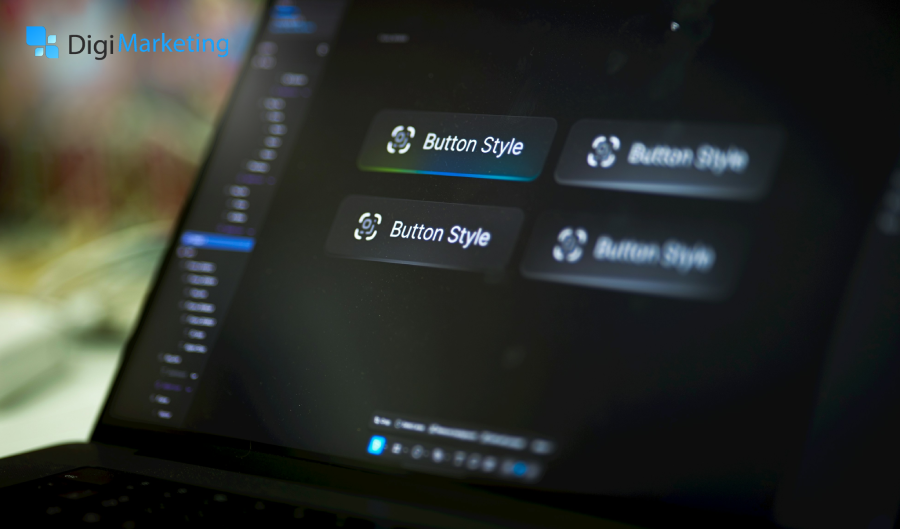
Micro interactions are subtle animations that guide users through tasks and provide feedback during interactions. These small design details play a big role in improving usability and engagement.
Examples include:
- Button hover effects
- Loading animations
- Swipe gestures
- Smooth page transitions
Thoughtful motion design helps users understand how interfaces work while making experiences more enjoyable.
Step 4: Voice and Conversational Interfaces
Voice enabled technology is becoming more common across apps, websites, and smart devices. Voice interfaces allow users to interact with systems using natural language instead of traditional navigation.
Businesses are integrating:
- AI chatbots
- Voice search
- Voice based commands
These conversational interfaces improve accessibility and provide faster ways for users to complete tasks.
Step 5: Immersive Experiences with AR and 3D Design
Immersive technologies such as augmented reality (AR), virtual reality (VR), and 3D interfaces are transforming how users interact with digital products.
These technologies are particularly impactful in industries like:
- E-commerce (virtual product previews)
- Real estate (3D property tours)
- Education and training platforms
Immersive design helps businesses create more engaging and interactive user experiences.
Step 6: Minimalist Interfaces with Hyper Clarity
Minimalism remains a strong UI trend, but in 2026 it has evolved into what some designers call “hyper clarity UI.”
This approach focuses on:
- Large readable typography
- Simple layouts
- Clear navigation
- Reduced visual clutter
Users today expect interfaces to be instantly understandable, making clarity and simplicity critical design principles.
Step 7: Dark Mode and Adaptive Themes
Dark mode continues to grow in popularity due to its ability to reduce eye strain and improve readability in low light environments.
Modern UI systems now include adaptive themes, which automatically adjust colors based on:
- User preferences
- Device settings
- Lighting conditions
Adaptive interfaces improve comfort and create a more personalized user experience.
Step 8: Data Driven UX Design
Businesses are increasingly using analytics and behavioral data to improve user experiences. Tools such as heatmaps, A/B testing, and user session recordings help designers understand how people interact with their websites.
Data driven UX enables teams to:
- Identify friction points
- Optimize navigation
- Improve conversion funnels
This approach ensures design decisions are backed by real user insights rather than assumptions.
Step 9: Privacy Focused UX
With increasing concerns about data privacy and security, businesses must design transparent and trustworthy user experiences.
Privacy focused UX includes:
- Clear consent forms
- Simple privacy settings
- Transparent data usage policies
By prioritizing ethical design, companies can build stronger trust with their users.
Conclusion
UI/UX design is evolving quickly as technology and user expectations continue to change. In 2026, businesses must focus on AI driven personalization, accessibility, immersive experiences, and data driven design to remain competitive.
By embracing these UI/UX design trends, companies can create digital products that are not only visually appealing but also intuitive, inclusive, and highly engaging.
For SMEs looking to grow online, a well executed blogging strategy is not just marketing it’s a long term investment in business success.
 Schedule a Call Today