




SEO or PPC? How Smart Brands Use Both to Grow in 2026
If you’ve ever asked yourself,
you’re not alone. Almost every growing brand faces this question. In 2026, the smartest brands
don’t choose they use both. Relying on a single channel can lead to missed opportunities,
rising costs, and uneven growth, especially with AI summaries, ads, videos, and organic listings
crowding search results.
The Problem Most Brands Overlook
There’s a pattern we see again and again:
- Some brands invest heavily in SEO, then lose patience when results take time.
- Others depend almost entirely on PPC, only to see traffic disappear the moment campaigns pause.
Search results are more crowded than ever. Paid ads sit at the top, AI-powered answers take up
space, and videos and rich results push organic listings further down. If your brand appears in
only one place, visibility suffers even if your product is great.
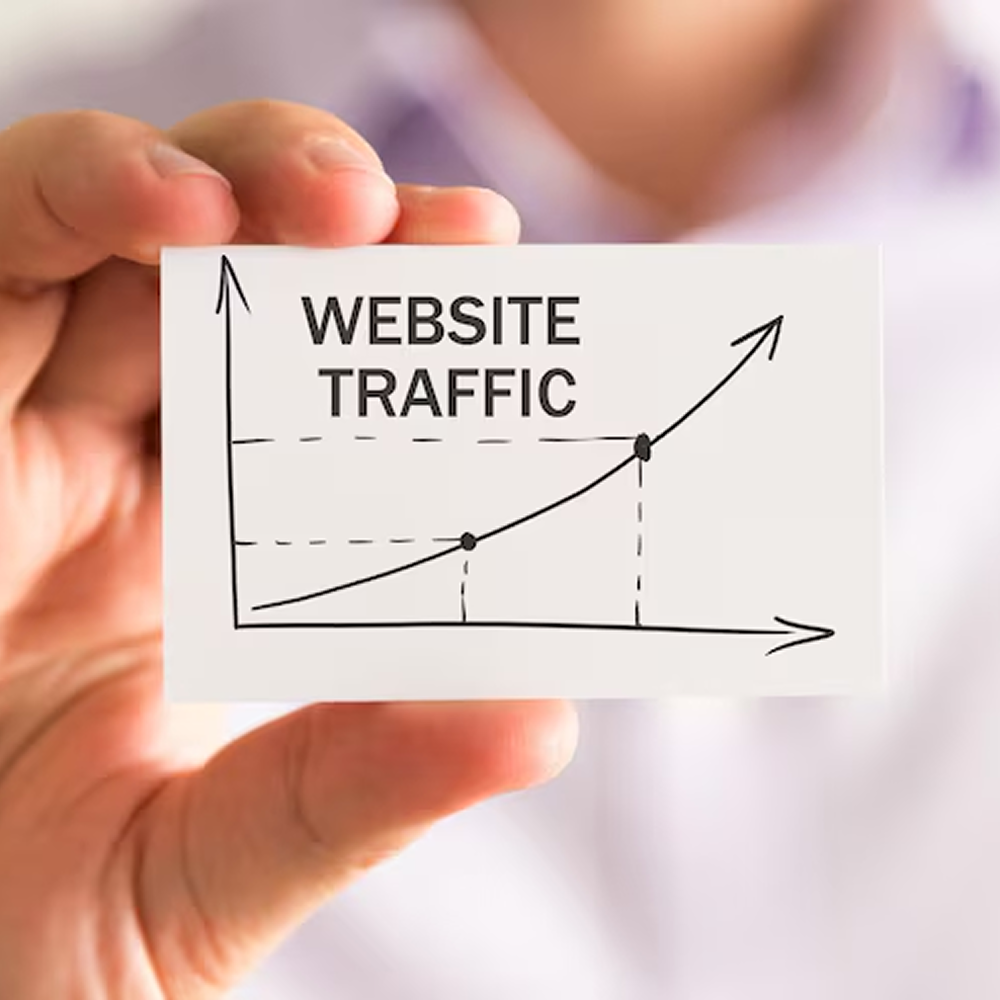
Why Combining SEO and PPC Works
SEO and PPC solve different problems and that’s exactly why they work best together.
- SEO builds authority and trust over time, bringing consistent, long-term traffic.
- PPC delivers speed and control, allowing brands to test messaging, offers, and demand quickly.
When combined under one strategy, they help brands:
- Understand what actually converts
- Reduce wasted ad spend
- Improve landing page performance
- Capture more space in competitive search results
In practice, paid ads often reveal what works long before organic rankings catch up and top
brands use that insight to shape their long term SEO strategy.
For example, we often see brands discover their highest converting keywords through paid
campaigns first. Once those keywords prove demand, SEO efforts focus on building content and
pages around them. This approach helps brands grow organic traffic faster without guessing
what users actually want.
How Smart Brands Use SEO and PPC Together
Here’s how high performing brands approach it in practice:
PPC for Fast Wins, SEO for Stability
Paid campaigns help test keywords, offers, and messaging quickly. Once something proves
demand, SEO strengthens it for long-term growth.
PPC Data Improves SEO Decisions
Ads reveal which keywords, landing pages, and content resonate with real users. This insight
shapes SEO content, page structure, and on-page optimization making SEO far more
effective.
SEO Helps Reduce PPC Costs
Well-optimized pages improve relevance, speed, and user experience. That leads to better
Quality Scores and lower cost-per-click across paid campaigns.
Owning More Search Space
Well-optimized pages improve relevance, speed, and user experience. That leads to better
Quality Scores and lower cost-per-click across paid campaigns.

Then ask one important question:
“How does this page perform when paid and organic traffic work together?”
Looking at performance this way often reveals gaps and opportunities that brands usually miss.
Why This Matters in 2026
Search is changing. Privacy updates limit tracking, AI summaries reshape results, and paid
costs are rising. Brands that treat SEO and PPC separately struggle to scale.
Those that combine them see:
- Faster visibility without long-term dependency on ads
- Higher conversions through aligned messaging and intent
- Better ROI by learning from real performance data
- Stronger competitive positioning in crowded markets
The Takeaway
- SEO builds trust and long-term growth
- PPC delivers speed and insight
In 2026, successful brands don’t choose between them they connect them. Real growth isn’t
about more traffic; it’s about smarter visibility, stronger conversions, and sustainable momentum.
One Clear Next Step
Check your website today: is it optimized for both paid and organic traffic? If not, reach out to
Digimarketing to build a strategy designed for today’s search landscape and future growth.
 Schedule a Call Today