




10 Ways React.js Improves User Experience and Website Performance
Introduction
In today’s digital landscape, website speed, responsiveness, and user experience play a critical role in business success. Studies consistently show that users expect websites to load quickly and provide seamless interactions across all devices. Even a one-second delay in page load time can lead to reduced conversions, increased bounce rates, and lower customer satisfaction.
This is where React.js has become one of the most popular front-end technologies for modern web development. Developed by Meta (formerly Facebook), React.js enables developers to build fast, interactive, and scalable web applications that deliver exceptional user experiences.
In this article, we’ll explore 10 ways React.js improves user experience (UX) and website performance, making it a preferred choice for businesses looking to build modern digital solutions.
1. Faster Rendering with the Virtual DOM
One of React’s biggest advantages is its Virtual DOM (Document Object Model).
Instead of updating the entire webpage whenever changes occur, React creates a lightweight virtual copy of the DOM and only updates the elements that have changed.
Benefits:
- Faster page updates
- Reduced browser workload
- Smoother user interactions
- Improved application responsiveness
This efficient rendering process helps websites feel faster and more dynamic, especially for applications with frequent content updates.
2. Improved Website Loading Speed
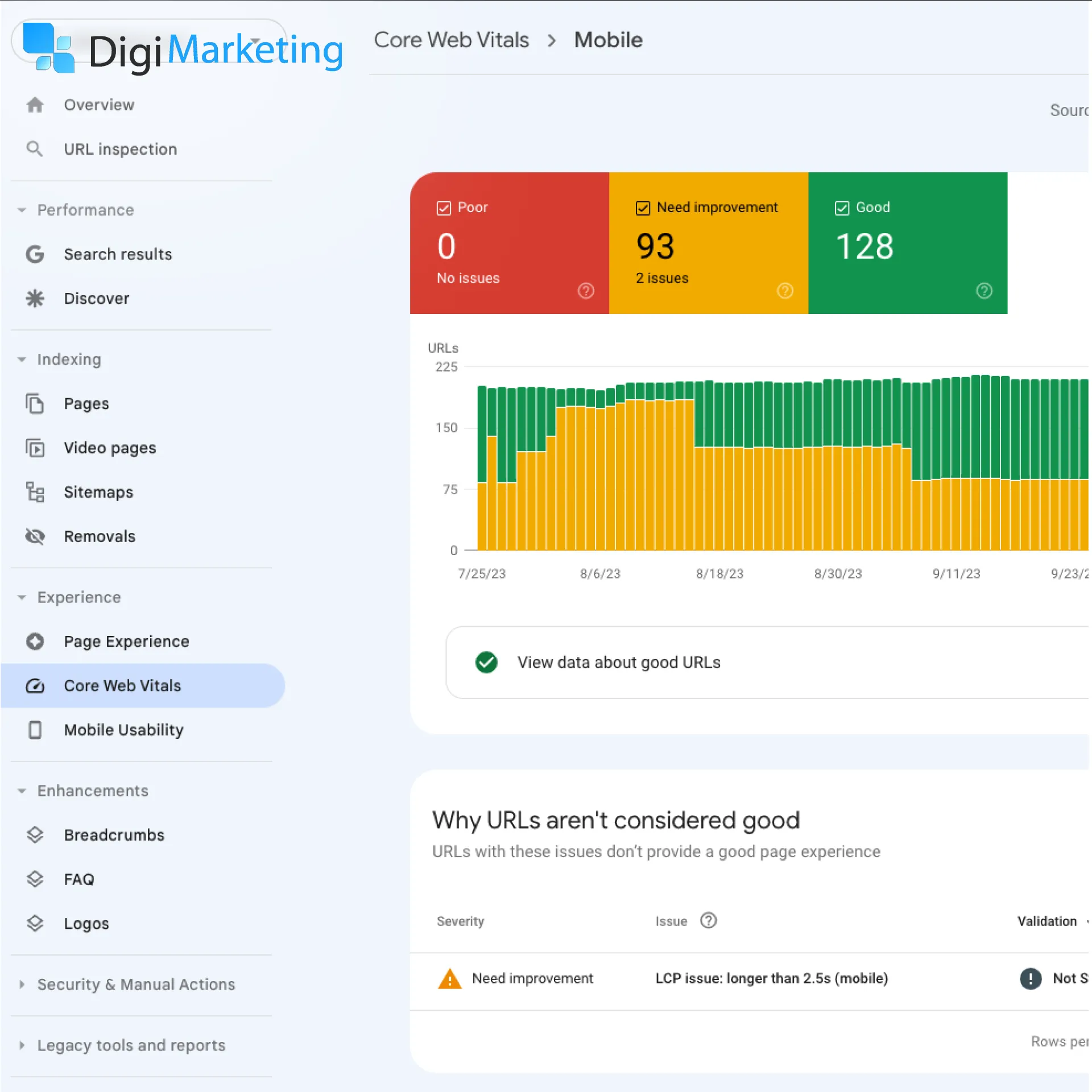
Website speed directly impacts user retention and search engine rankings.
React improves performance through:
- Efficient rendering
- Component reuse
- Lazy loading capabilities
- Optimized asset management
When implemented correctly, React applications can significantly reduce loading times and provide a better experience for visitors.
User Experience Impact:
- Lower bounce rates
- Higher engagement
- Increased conversion rates
- Better mobile performance
3. Component-Based Architecture Enhances Consistency
React uses a component-based architecture, allowing developers to create reusable UI elements such as:
- Navigation menus
- Buttons
- Forms
- Cards
- Headers and footers
Because these components can be reused throughout the application, websites maintain a consistent design and functionality.
Benefits:
- Uniform user experience
- Easier maintenance
- Faster development cycles
- Reduced errors
Consistency helps users navigate websites more intuitively and confidently.
4. Seamless User Interactions
Modern users expect instant feedback when interacting with websites.
React enables real-time updates without requiring full-page reloads.
Examples include:
- Live search results
- Dynamic forms
- Instant notifications
- Interactive dashboards
- Shopping cart updates
These seamless interactions create a more engaging and enjoyable user experience.
5. Better Mobile User Experience
With mobile traffic accounting for the majority of internet usage, responsive performance is essential.
React supports responsive design principles and works effectively with modern mobile-first development approaches.
Advantages:
- Faster rendering on mobile devices
- Responsive layouts
- Improved touch interactions
- Reduced loading delays
This ensures users receive a consistent experience regardless of screen size.
6. Efficient State Management
State management refers to how an application handles changing data.
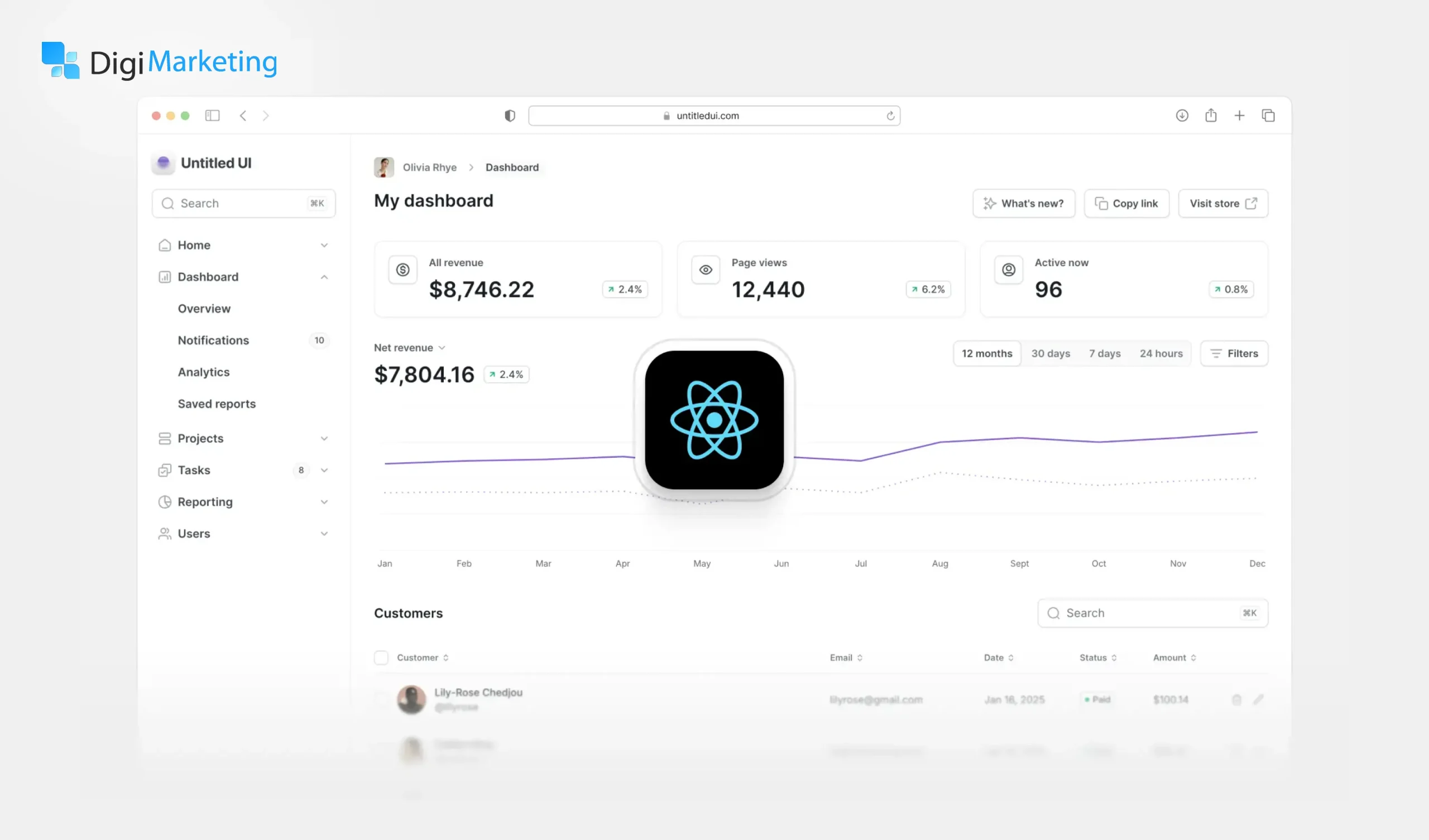
React provides powerful tools for managing state, enabling websites to update content dynamically without affecting overall performance.
Examples:
- User authentication status
- Product filters
- Shopping cart contents
- Dashboard metrics
Efficient state management helps maintain smooth performance even in complex applications.
User Benefits:
- Faster updates
- Fewer glitches
- More reliable interactions
7. Enhanced Scalability for Growing Businesses
As businesses grow, their websites often require new features and increased functionality.
React’s modular structure makes it easy to scale applications without rebuilding them from scratch.
Businesses can add:
- Customer portals
- E-commerce functionality
- Booking systems
- Analytics dashboards
- Membership features
Performance Benefits:
- Easier updates
- Reduced technical debt
- Better long-term maintainability
Scalable websites provide a better experience as user demand increases.
8. Support for Single-Page Applications (SPAs)
React is widely used for building Single-Page Applications (SPAs).
Unlike traditional websites that reload entire pages, SPAs load content dynamically within the current page.
Performance Benefits:
- Faster navigation
- Reduced waiting times
- App-like experience
- Smoother transitions
Popular platforms such as Facebook and Instagram leverage similar concepts to deliver highly responsive experiences.
9. Strong Ecosystem and Performance Optimization Tools
React’s extensive ecosystem gives developers access to numerous optimization tools and libraries.
Examples include:
- React Router
- Redux
- Zustand
- React Query
- Vite
- Webpack
These tools help improve:
- Application speed
- Data fetching efficiency
- Resource management
- User interface performance
A strong ecosystem allows businesses to build highly optimized web applications that meet modern user expectations.
10. Better SEO Opportunities with Modern React Implementations
Historically, SEO was considered a challenge for React applications. However, modern React development practices have significantly improved search engine visibility.
Developers can now leverage:
- Server-side rendering (SSR)
- Static site generation (SSG)
- Meta tag management
- Structured data implementation
Combined with frameworks like Next.js, React-based websites can achieve excellent search engine performance while maintaining dynamic functionality.
SEO Benefits:
- Faster indexing
- Improved Core Web Vitals
- Better search rankings
- Increased organic traffic
Why Businesses Choose React.js in 2026
React continues to dominate modern web development because it combines flexibility, performance, and scalability.
Businesses choose React because it offers:
- Faster development
- Better website performance
- Improved user engagement
- Long-term scalability
- Strong community support
- Access to a large talent pool
Whether you’re building a startup platform, enterprise application, SaaS product, or e-commerce store, React provides the tools needed to create exceptional digital experiences.
Conclusion
User experience and website performance are no longer optional—they are critical factors that directly influence business growth, customer satisfaction, and online visibility.
React.js helps businesses meet these expectations by delivering:
- Faster rendering
- Improved responsiveness
- Seamless user interactions
- Better scalability
- Enhanced performance optimization
From startups to enterprise organizations, React remains one of the most effective technologies for building modern websites and web applications that users love to use.
As digital experiences continue to evolve in 2026, React.js remains a powerful solution for businesses seeking speed, reliability, and superior user engagement.
 Schedule a Call Today